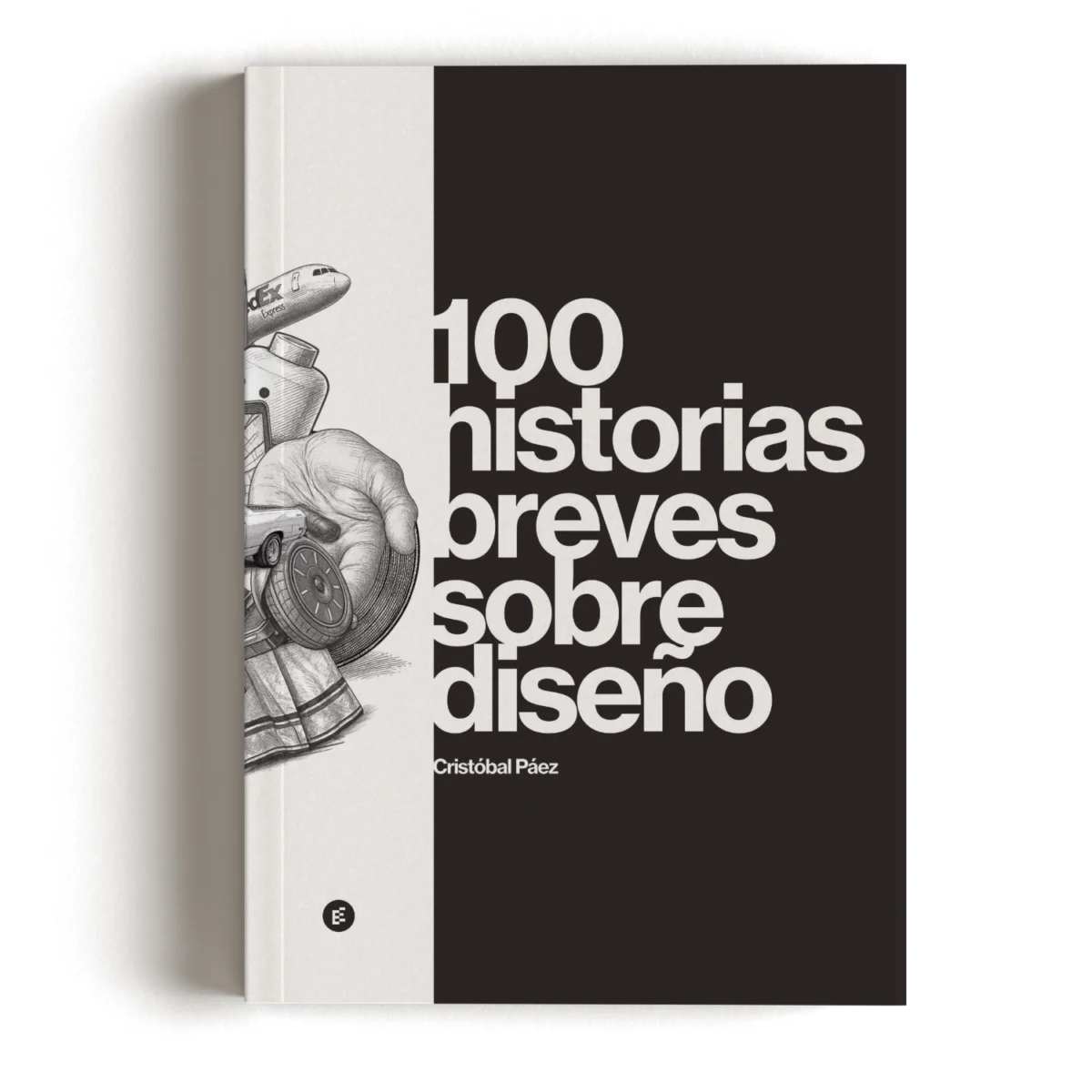
If reading a book today has become an act of rebellion, writing one about the history of design is an act of madness. Thousands of hours of work beyond your “actual” job, a pittance of a financial return, becoming the default absentee in your family… that is the minimum price one must pay to publish. So, why do we do it? In my case, because I firmly believe that design is one of the few tools society possesses to heal, improve, and eventually prosper without destroying the world in the process. And since I am not a designer, the only way I could contribute to the cause was by writing a book. So, I got to work.
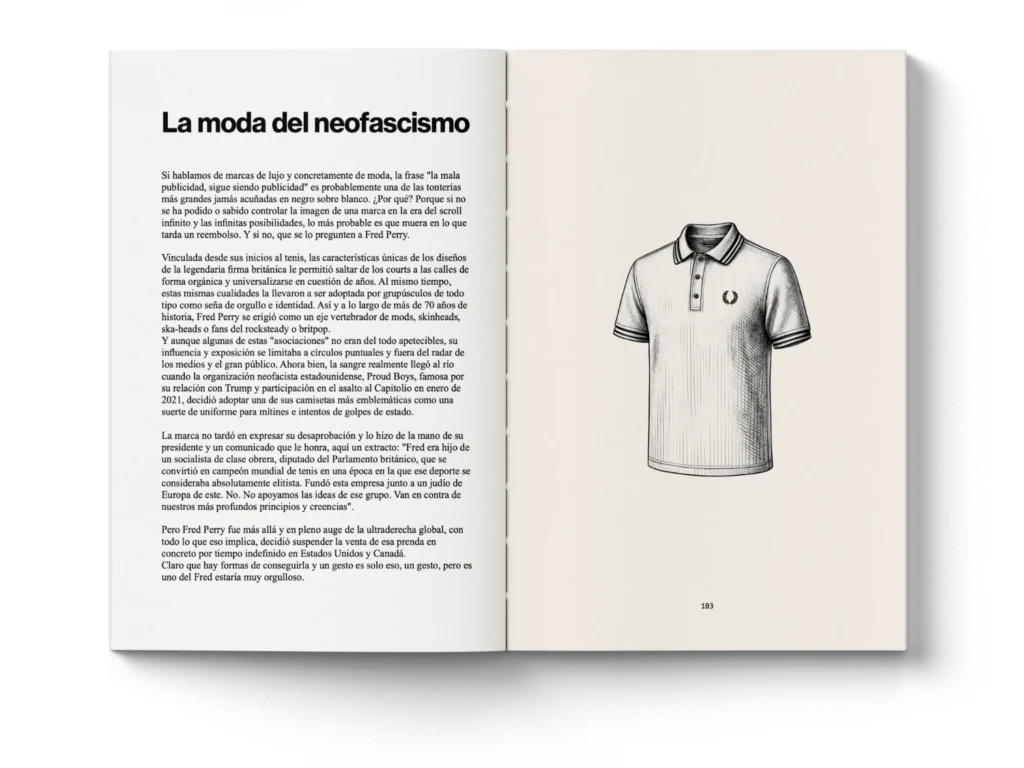
After endless back-and-forth, I knew what to do and how to do it. I wanted an agile book, one that portrayed iconic designs through anecdotes—moving away from academicism or erudite reflection toward a more engaging and approachable narrative. The key lay in the data; specifically, those facts whose bizarre nature could raise a smile while, at the same time, having been decisive in the birth, life, or death of an idea.
In this sense, the greatest challenge was not so much finding what to tell, but separating the wheat from the chaff. The stories I was looking for usually live somewhere between myth and reality, and as we know, it is on that frontier where lies are born. After months of research, I gathered the right raw material, and all that was left was to write.
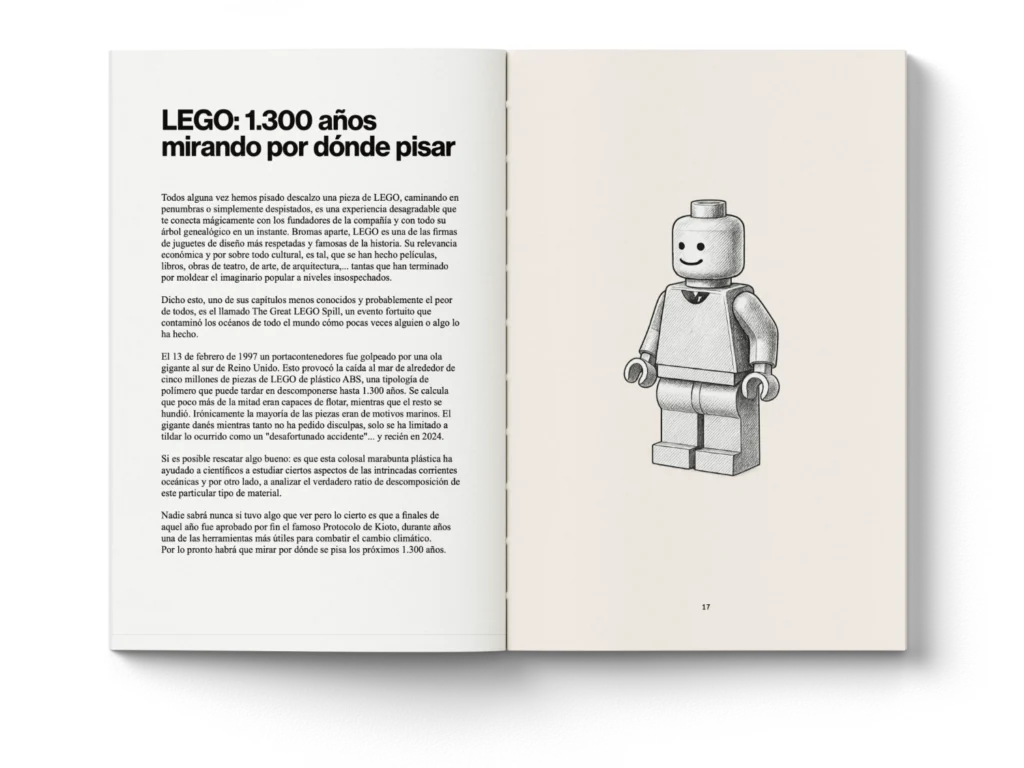
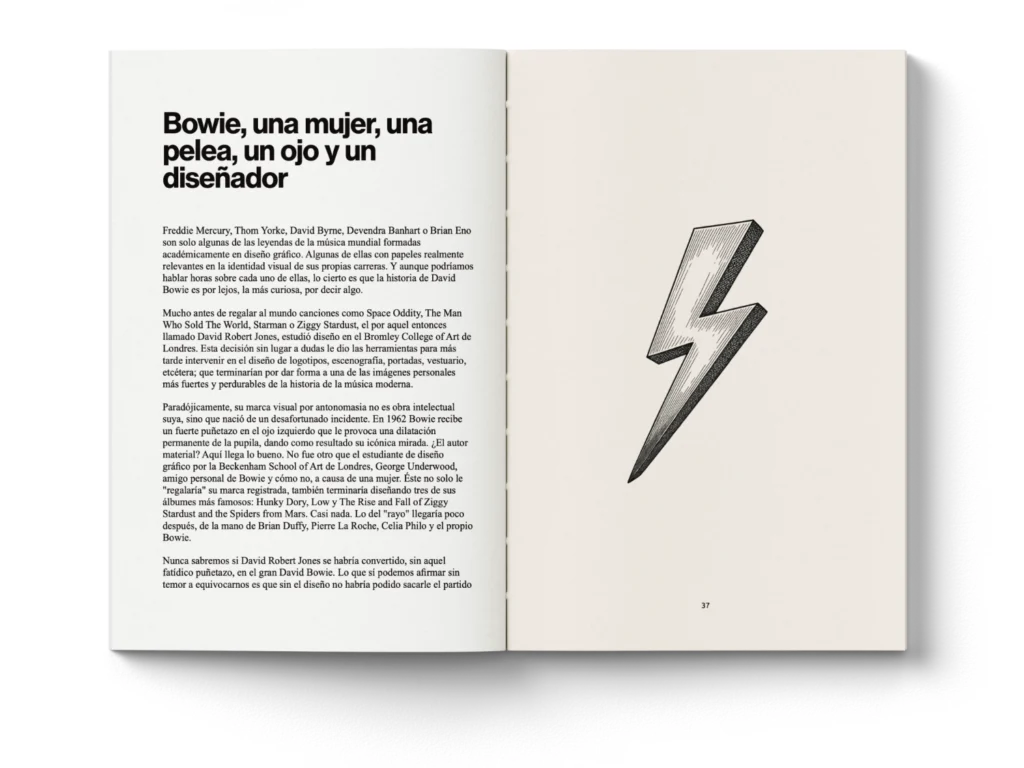
UPS’s obsession with turning right, Le Corbusier’s plan to demolish Paris, the Apple computer that was fixed by hitting it, Lloyd Wright’s house that leaked… and so on, up to a hundred.
These are short stories—fewer than 400 words and individually illustrated—that bring us closer to design and creative disciplines in general in a different, more intimate, more human way, showing us that failure, luck, or tragedy are often the foundation stones of success.
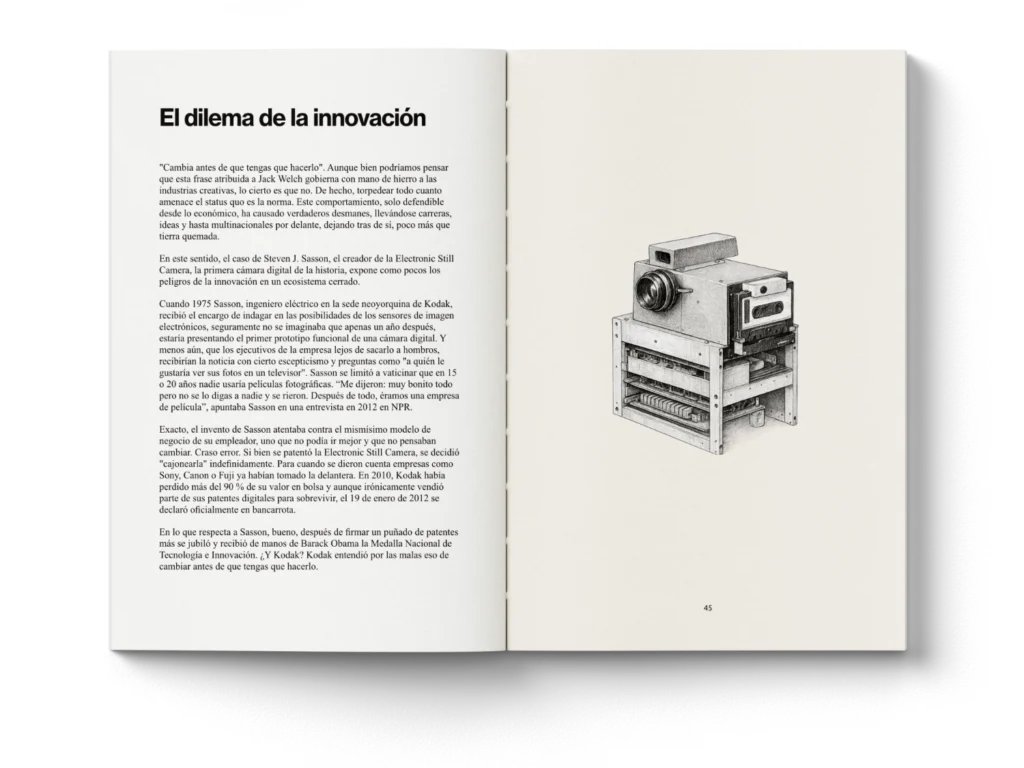
Marisa Gallén, National Design Award winner and a living legend of Spanish design, explains it perfectly in the prologue: “It is not an academic treatise, nor is it an inventory of icons or a succession of success stories. These are stories about the consequences surrounding every project decision… There is curiosity, irony, and a critical spirit—which is to say, there is thought. And that means each anecdote invites us to ask deeper questions… And this book tells it all without solemnity, without fear, and most importantly, without being boring.”
Seven months later, I can categorically state two things. First: Writing a book about the history of design is an act of madness—at least I feel a bit crazier now. Second: it has been worth it. Welcome to 100 historias breves sobre diseño.
On sale at Experimenta Libros in June 2026.